
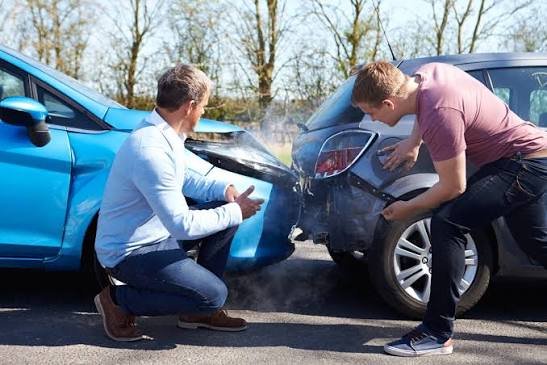
A car accident can happen in seconds, but its consequences may last for months or even years. Even a seemingly minor collision can result in vehicle damage, unexpected medical expenses, insurance disputes, or injuries that become noticeable later.
Knowing what to do after a crash can make an overwhelming situation easier to manage. The most important priorities are safety, medical attention, accurate documentation, and timely communication with the appropriate authorities and insurance providers.
This guide explains common causes of car accidents, what to do immediately after a collision, common injuries, insurance considerations, and practical steps for protecting yourself afterward.
What Is a Car Accident?
A car accident is an unexpected collision involving a passenger vehicle and another vehicle, object, pedestrian, animal, or road hazard. Crashes can range from minor fender-benders to serious collisions involving severe injuries or fatalities.
Car accidents commonly result from human error, unsafe driving behavior, poor road conditions, mechanical problems, or a combination of factors.
The consequences may include:
- Vehicle and property damage
- Physical injuries
- Emotional distress
- Medical expenses
- Lost income
- Insurance claims
- Legal disputes
The exact responsibilities and insurance rules following a crash depend on the country, state, or province where the accident occurred.
Common Causes of Car Accidents
Understanding why crashes happen can help drivers recognize dangerous situations before they become emergencies.
Distracted Driving
Using a phone, adjusting a navigation system, eating, talking to passengers, or taking attention away from the road can reduce a driver’s ability to react quickly.
Even a few seconds of distraction can be enough to miss a stopped vehicle, pedestrian, traffic signal, or road hazard.
Speeding
Driving too fast reduces the amount of time available to respond to unexpected events. Higher speeds can also increase the severity of a collision.
Drivers should follow posted speed limits and adjust their speed when weather, traffic, visibility, or road conditions make driving more difficult.
Impaired Driving
Alcohol, recreational drugs, and some medications can affect reaction time, judgment, coordination, and concentration. Driving while impaired significantly increases the risk of a serious crash.
Anyone who is impaired should arrange another way to travel rather than getting behind the wheel.
Fatigued Driving
Severe tiredness can reduce concentration and reaction speed. In some circumstances, fatigue can cause a driver to lose awareness of the road.
Taking breaks, getting adequate rest, and avoiding driving when extremely tired can reduce this risk.
Aggressive or Reckless Driving
Tailgating, unsafe lane changes, racing, ignoring traffic signals, and other aggressive behaviors can quickly create dangerous situations.
Defensive driving and maintaining a safe following distance can give drivers more time to react.
Poor Weather and Road Conditions
Rain, snow, ice, fog, flooding, poor visibility, potholes, and slippery surfaces can make driving more difficult. Drivers should reduce speed and increase following distance when conditions deteriorate.
What to Do Immediately After a Car Accident
The first few minutes after a crash can be confusing. Try to remain calm and focus on safety.
1. Check for Injuries
Check yourself and other people involved in the collision if it is safe to do so. If anyone appears seriously injured or needs urgent medical attention, contact the appropriate emergency services immediately.
Do not unnecessarily move someone who may have a serious injury unless remaining in that location presents an immediate danger.
2. Move to a Safe Location When Possible
If the vehicles can be moved safely and local rules allow it, move them away from active traffic. Turn on hazard lights and use other appropriate warnings if available.
If moving the vehicle would create additional danger, remain in a safe location and wait for assistance.
3. Contact the Appropriate Authorities
Depending on the severity and circumstances of the crash, you may need to contact police or another relevant authority.
An official report can provide useful documentation of what happened, particularly when injuries, significant damage, or disagreements between drivers are involved.
4. Exchange Information
Obtain relevant information from the other driver or drivers, such as:
- Full name and contact information
- Driver’s license details where appropriate
- Vehicle registration information
- Insurance information
- Vehicle make and model
- License plate number
Avoid arguing about who caused the accident at the scene.
5. Take Photos and Videos
If it is safe to do so, photograph the vehicles, road conditions, traffic signs, visible injuries, property damage, and the general accident scene.
Try to capture several angles rather than relying on a single photograph.
Common Car Accident Injuries
Some injuries are immediately obvious, while others may not become noticeable until hours or days later.
Common injuries can include:
| Injury | Possible Symptoms |
| Whiplash | Neck pain, stiffness, headaches |
| Bruises | Swelling, tenderness, discoloration |
| Fractures | Pain, swelling, difficulty moving |
| Head injuries | Headache, confusion, dizziness |
| Back injuries | Pain, stiffness, reduced movement |
| Soft-tissue injuries | Pain, swelling, limited movement |
Symptoms after a crash should not automatically be dismissed because the vehicle damage appears minor. If you develop concerning symptoms, seek appropriate medical evaluation.
Medical records can also provide important documentation if treatment becomes part of an insurance or legal claim.
How to Document a Car Accident
Good documentation can help you accurately explain what happened later.
Write down what you remember as soon as reasonably possible, including:
- Date and approximate time
- Location of the collision
- Weather and road conditions
- Direction each vehicle was traveling
- What happened immediately before the crash
- Names and contact details of witnesses
- Visible vehicle damage
- Any injuries or symptoms
- Information provided by authorities
Keep copies of photographs, reports, medical records, repair estimates, receipts, correspondence, and insurance documents.
Do not alter photographs or exaggerate injuries or damages. Accurate records are more useful than incomplete or misleading information.
Car Accident Insurance Claims
After a crash, notify your insurance provider according to the requirements of your policy and applicable local rules.
An insurer may ask for information such as:
- Accident details
- Driver and vehicle information
- Police or incident report information
- Photographs
- Repair estimates
- Medical documentation
- Witness information
What Should You Say to an Insurer?
Be truthful and provide accurate information about what happened. Avoid guessing about facts you do not know.
For example, instead of saying, “I was definitely responsible,” when you are uncertain about the circumstances, describe what you observed and allow the relevant parties to determine responsibility according to applicable rules.
Insurance laws and claims procedures differ significantly between jurisdictions, so important decisions should be based on the rules applicable where the accident occurred.
When to Seek Legal Advice
Not every minor collision requires legal assistance. However, professional legal advice may be useful when a crash involves serious injuries, substantial losses, disputed responsibility, complicated insurance issues, or a disagreement about compensation.
Consider obtaining advice if:
- You suffered significant injuries.
- Another party disputes what happened.
- The insurance company denies or significantly disputes your claim.
- Several vehicles or parties are involved.
- There are questions about liability.
- Your financial losses are substantial.
A qualified lawyer familiar with the relevant local laws can explain your options and deadlines. Avoid relying on general online information as a substitute for jurisdiction-specific legal advice.
How to Reduce the Risk of Future Accidents
No driver can eliminate every road risk, but responsible habits can lower the likelihood of a collision.
Practice Defensive Driving
Look beyond the vehicle immediately in front of you and anticipate what other road users might do.
Avoid Distractions
Put your phone away and set navigation instructions before starting your journey whenever possible.
Maintain Your Vehicle
Regularly check tires, brakes, lights, mirrors, windshield wipers, and other important components.
Adjust to Conditions
Slow down when visibility is poor, roads are slippery, or traffic is heavy.
Keep a Safe Following Distance
Leaving enough space between vehicles gives you more time to react if the driver ahead suddenly brakes.
Never Drive While Impaired
If you have consumed alcohol or taken anything that affects your ability to drive safely, choose another transportation option.
Key Takeaways
- Put safety and medical needs first after a car accident.
- Contact emergency services when urgent assistance is needed.
- Move vehicles only when it is safe and appropriate.
- Exchange relevant driver, vehicle, and insurance information.
- Photograph the accident scene and vehicle damage when safe.
- Keep records of medical treatment, repairs, expenses, and communications.
- Report the collision to your insurer according to your policy and local requirements.
- Avoid guessing about facts or admitting fault before the circumstances are established.
- Seek professional legal advice when injuries, liability, or insurance disputes are complicated.
- Drive defensively and avoid distractions to reduce future crash risks.
FAQs
1. What should I do first after a car accident?
First, check whether you or anyone else is injured and move to a safe location if possible. Contact appropriate emergency services when necessary, then document the scene and exchange relevant information with the other driver.
2. Should I take pictures after a car accident?
Yes, when it is safe. Photograph vehicle damage, the surrounding scene, road conditions, traffic signs, and other relevant details. Multiple photographs from different angles can provide a clearer record.
3. Can I feel fine immediately after a crash?
Yes. Some symptoms may appear later rather than immediately after a collision. If you develop pain, dizziness, confusion, or other concerning symptoms, seek appropriate medical attention.
4. Should I admit fault at the accident scene?
Avoid making statements about legal responsibility before all the facts are established. Be cooperative and truthful when providing information, but let the appropriate authorities, insurers, and legal professionals assess responsibility under applicable rules.
5. Do I need to report every car accident?
Reporting requirements vary by location, the severity of the collision, injuries, property damage, and other circumstances. Check the rules that apply where the accident occurred and follow your insurance policy’s reporting requirements.
6. What information should I collect from the other driver?
Depending on local requirements, collect the driver’s name and contact information, insurance details, vehicle information, registration details, and license plate number. Witness information can also be valuable.
7. When should I contact a lawyer after a car accident?
Legal advice may be worthwhile when there are serious injuries, significant financial losses, disputed responsibility, multiple parties, or an insurance dispute. A local lawyer can explain the rules and deadlines that apply to your specific situation.
Conclusion
A car accident can be stressful, but knowing the right steps can help you respond calmly and responsibly. Safety should always come first, followed by appropriate medical care, accurate documentation, communication with authorities and insurers, and careful record keeping.
Every collision is different, and laws governing insurance, liability, reporting, and compensation vary by location. When a crash involves serious injuries or a complicated dispute, getting advice from an appropriate local professional can help you understand your rights and responsibilities.
Most importantly, prevention remains the best approach. Staying focused, driving at a safe speed, maintaining your vehicle, avoiding impaired or fatigued driving, and adapting to road conditions can all help reduce the risk of a serious accident.
Learn About: Joanna Gaines Lifestyle Texas Farmhouse
