
Banshee: Meaning, Irish Folklore, Origins, and Legends Explained
Few figures in Irish folklore are as haunting and memorable as the banshee. Often described as a mysterious female spirit whose cry signals an approaching death, the banshee has become a familiar figure in books, films, television, games, and modern fantasy.
However, the traditional Irish banshee is more nuanced than the frightening ghost often portrayed in popular culture. In older folklore, she was generally connected with particular families and was not necessarily a creature that attacked or harmed people. Her appearance or mournful cry was more commonly understood as a warning or supernatural expression of grief.
The legend has deep roots in Irish storytelling and is closely connected with traditional mourning practices, supernatural beliefs, and the Gaelic concept of the sí—the fairy people or inhabitants of ancient mounds.
This guide explains what a banshee is, where the legend came from, what a banshee is believed to look and sound like, and how the traditional story differs from modern interpretations.
What Is a Banshee?
A banshee is a supernatural figure associated primarily with Irish folklore. Traditionally, she is described as a female spirit whose mournful cry or appearance warns of an impending death.
The term is commonly associated with the Irish expression bean sí, which can be translated roughly as “woman of the fairy mound” or “fairy woman.”
Unlike many modern horror creatures, the traditional banshee was not necessarily an evil monster. Her role was often connected to death, mourning, and forewarning rather than physical violence.
In some stories, the banshee would:
- Cry or keen near a house.
- Appear before or around the time of a person’s death.
- Be associated with particular families.
- Take different physical forms.
- Express grief through supernatural mourning.
The exact details differ considerably between Irish regions and individual oral traditions.
Meaning and Origin of the Word Banshee
The English word banshee comes from Irish Gaelic. It is generally connected with bean sí or related forms such as bean sídhe.
The word can be broken down conceptually into:
| Term | General meaning |
| bean | Woman |
| sí/sídhe | Fairy mound or supernatural fairy realm |
| bean sí | Fairy woman or woman of the fairy mound |
The term is therefore closely connected with the older Irish belief in the Aos Sí, supernatural beings associated with ancient mounds and other places considered part of the fairy world.
Over time, English-language writers and speakers adopted the word “banshee,” while the folklore surrounding the figure continued to evolve.
The Banshee in Irish Folklore
The banshee is particularly associated with traditional Irish families and stories of death. According to folklore, hearing a banshee’s cry could indicate that someone connected to a particular family was going to die.
This belief was especially connected with the practice of keening, a traditional form of vocal mourning performed at funerals and during periods of grief.
The supernatural banshee can therefore be understood partly within the cultural context of Irish mourning traditions. Her cry resembles the emotional intensity of human lamentation, making the legend particularly powerful.
Importantly, there is no single version of the banshee story. Folklore was transmitted orally, meaning details could change from one community or generation to another.
What Does a Banshee Look Like?
There is no universally accepted physical appearance for a banshee.
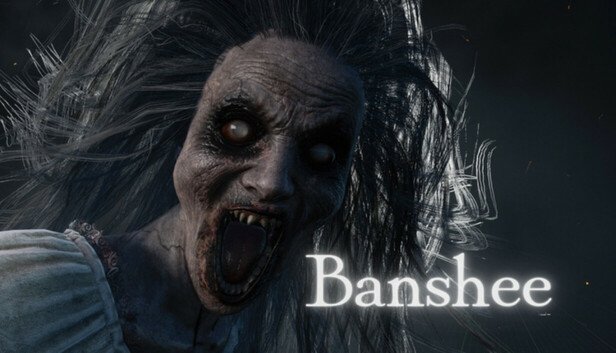
Different traditions describe her in different ways. Some stories portray her as a beautiful young woman, while others describe an older woman with long hair and an unsettling appearance.
Common descriptions include:
- Long, flowing hair
- A pale or ghostly face
- A white, grey, or dark dress
- A woman appearing near a house or natural landscape
- A sorrowful or frightening expression
- A supernatural presence rather than a clearly defined physical body
Some legends also describe the banshee washing clothes or other objects associated with death. These variations demonstrate how folklore changes across regions rather than following one fixed description.
What Does a Banshee Sound Like?
The banshee’s cry is arguably the most famous part of the legend.
It is often described as a high-pitched wail, scream, lament, or keening sound. In traditional stories, the cry may begin quietly and become increasingly intense.
The sound is significant because it is associated with mourning. Rather than simply being a frightening noise, it represents sorrow and serves as a supernatural warning.
Modern horror media often turns the banshee’s cry into an aggressive scream. Traditional folklore, however, frequently presents it as a lament connected with death.
What Does a Banshee Do?
The traditional role of a banshee is primarily to forewarn or mourn a death.
She is not generally portrayed as a creature that hunts people or causes death directly. Instead, her presence may indicate that death is approaching or has occurred.
A typical folklore scenario might involve someone hearing a strange cry outside their home late at night. According to the legend, the sound could be interpreted as a warning that a family member would soon die.
The important distinction is that the banshee is often considered a messenger or mourner rather than the cause of death itself.
Banshee Legends and Family Connections
One particularly interesting aspect of banshee folklore is the connection between banshees and certain families.
Traditional accounts sometimes associate banshees with old Gaelic families. The spirit might be said to appear or cry when a member of the family was approaching death.
This connection helped make the legend more personal. Instead of being a supernatural figure that randomly appeared to anyone, the banshee could function as a family-specific omen.
However, these traditions should be understood as folklore rather than historical evidence of supernatural events. Accounts vary, and there is no reliable scientific evidence that banshees predict death.
Banshee vs. Other Supernatural Spirits
The banshee is sometimes confused with other supernatural beings, particularly ghosts and fairy creatures.
| Figure | Traditional association |
| Banshee | Warning or mourning connected with death |
| Ghost | Spirit of a deceased person |
| Fairy | Supernatural being from European folklore |
| Bean-nighe | Scottish Gaelic supernatural woman associated with death |
| Death omen | A sign believed to predict death |
The bean-nighe of Scottish Gaelic folklore is particularly interesting because she also appears in stories involving death and mourning. However, the two figures belong to different regional traditions and should not automatically be treated as identical.
How the Banshee Became Part of Popular Culture
The banshee has moved far beyond Irish folklore and now appears throughout popular entertainment.
Writers and creators have used the figure in:
- Horror stories
- Fantasy novels
- Television shows
- Films
- Video games
- Comics
- Tabletop role-playing games
- Music and art
Modern versions often give the banshee supernatural powers that are not part of older Irish traditions. She may become a monster, warrior, ghost, or magical creature capable of attacking characters.
These adaptations can be entertaining, but they should not be confused with traditional Irish folklore.
The modern image of the banshee is therefore a combination of ancient storytelling and creative reinterpretation.
Common Misconceptions About Banshees
1. Every banshee is evil
Not necessarily. Traditional accounts often portray the banshee as a mourner or warning spirit rather than an evil creature.
2. Banshees cause death
The traditional legend generally presents the banshee as announcing or mourning death rather than causing it.
3. There is only one appearance of a banshee
Descriptions vary widely. Some stories describe a young woman, while others portray an old woman or an unusual supernatural figure.
4. Banshees are simply ghosts
A banshee is a distinct figure within Gaelic folklore and is connected to the supernatural sí tradition. Calling every banshee a ghost oversimplifies the folklore.
5. Modern horror versions are historically accurate
Popular culture frequently changes folklore for dramatic effect. A banshee appearing as an aggressive monster in a movie or video game may be inspired by the legend but does not necessarily represent traditional Irish beliefs.
Key Takeaways
- A banshee is a supernatural female figure from Irish and Gaelic folklore.
- The name is associated with the Irish bean sí, commonly interpreted as “fairy woman” or “woman of the fairy mound.”
- Her most famous feature is a mournful cry or wail associated with approaching death.
- Traditional banshee stories often connect the spirit with specific families.
- A banshee is generally a warning or mourning figure rather than a creature that directly causes death.
- Different regions and storytellers have described banshees in different ways.
- Modern books, films, games, and television have significantly changed the traditional image.
- Banshee folklore is closely connected with Irish beliefs about supernatural beings, death, mourning, and oral storytelling.
FAQs About Banshees
What is a banshee?
A banshee is a supernatural female figure in Irish folklore traditionally associated with a mournful cry that warns of or accompanies an impending death.
What does the word banshee mean?
“Banshee” comes from Irish Gaelic terminology associated with bean sí, generally translated as “fairy woman” or “woman of the fairy mound.”
Are banshees evil?
Traditional folklore does not consistently describe banshees as evil. They are more commonly portrayed as mourners or supernatural messengers connected with death.
What does a banshee cry sound like?
Folklore describes the banshee’s cry as a mournful wail, keen, lament, or piercing scream. The exact description varies between stories.
Do banshees cause death?
Traditionally, a banshee is more often associated with warning about or mourning a death rather than causing it.
Where does the banshee legend come from?
The banshee legend comes primarily from Irish Gaelic folklore and is connected with the wider supernatural traditions surrounding the Aos Sí and fairy mounds.
Are banshees real?
There is no reliable scientific evidence demonstrating that banshees exist as supernatural beings. They are best understood as figures of folklore, oral tradition, and cultural storytelling.
Conclusion
The banshee remains one of the most recognizable figures in Irish folklore because her story combines mystery, grief, family tradition, and the fear of death. Her famous cry is often remembered as a frightening supernatural scream, but traditional accounts present something more complex: a spirit associated with mourning and a warning of death rather than a simple monster.
From the Irish concept of bean sí to modern fantasy and horror, the banshee has continued to evolve while retaining her connection to Irish cultural storytelling. Understanding the original folklore makes the figure even more fascinating—and helps separate the traditional legend from the dramatic versions found in modern entertainment.
Learn About: The Ring Movie Actors
