
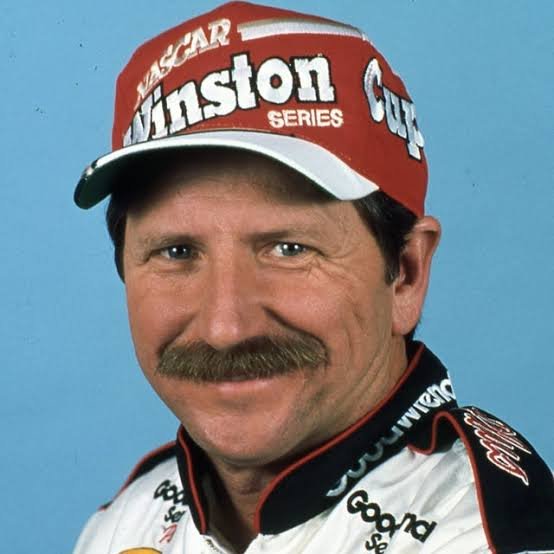
There are race car drivers, and then there are drivers whose names seem to carry their own history. For many NASCAR fans, Dale Earnhardt belongs firmly in that second group.
Known as “The Intimidator,” Earnhardt built a reputation around aggressive driving, remarkable consistency, and a toughness that became part of his identity. He wasn’t always the most polished personality away from the track, but once the green flag dropped, fans knew they were watching someone special.
His career was filled with dramatic wins, fierce rivalries, championships, and moments that helped shape NASCAR into the sport it is today.
Dale Earnhardt
| Bio Detail | Information |
| Full Name | Dale Earnhardt Sr. |
| Born | April 29, 1951 |
| Birthplace | Kannapolis, North Carolina, USA |
| Profession | NASCAR Racing Driver |
| Nickname | The Intimidator |
| NASCAR Championships | 7 |
| Daytona 500 Wins | 1 |
| Career Wins | 76 NASCAR Cup Series wins |
| Father | Ralph Earnhardt |
| Son | Dale Earnhardt Jr. |
| Died | February 18, 2001 |
| Known For | Legendary NASCAR career and aggressive racing style |
Who Was Dale Earnhardt?
Dale Earnhardt was an American professional stock car racing driver who became one of NASCAR’s biggest stars. Born on April 29, 1951, in Kannapolis, North Carolina, he grew up around racing.
His father, Ralph Earnhardt, was also a successful stock car driver. Dale spent much of his youth around garages, race tracks, and racing equipment. That environment had a huge influence on the direction of his life.
Earnhardt eventually turned his passion into a professional career and made his NASCAR debut in 1975. It didn’t take long for people to notice his driving style. He was tough, confident, and willing to make moves that other drivers might hesitate to attempt.
The Rise of “The Intimidator”
The nickname “The Intimidator” wasn’t just about aggression. It reflected the psychological pressure Earnhardt could put on competitors.
He understood how to race closely, protect his position, and use his car’s strength to his advantage. When another driver saw the famous black No. 3 Chevrolet in the mirror, they knew Earnhardt wasn’t going to make things easy.
That competitive edge became one of his trademarks.
And while some fans loved his fearless style, others found it frustrating. That’s part of what made him such a fascinating figure. People had opinions about Earnhardt, but very few ignored him.
Dale Earnhardt’s NASCAR Championships
Earnhardt won seven NASCAR Cup Series championships, tying Richard Petty and Jimmie Johnson for the most in NASCAR history.
His championship seasons came in:
- 1980
- 1986
- 1987
- 1990
- 1991
- 1993
- 1994
The 1990s were particularly important to his legacy. Earnhardt became the driver many competitors had to beat, and his success helped make him one of the defining figures of that era.
His ability to remain competitive over many seasons was just as impressive as the championship numbers themselves.
The Daytona 500 Victory That Meant So Much
For years, one major achievement seemed to escape Earnhardt: winning the Daytona 500.
He had come close several times, but victory at Daytona remained unfinished business.
That changed in 1998.
Earnhardt finally won the Daytona 500, and the celebration was unlike many other race victories. Crew members, fans, and fellow competitors recognized how significant the moment was.
After years of disappointment at Daytona, Earnhardt had finally captured one of NASCAR’s most prestigious races.
For many longtime fans, that 1998 victory remains one of the most memorable moments of his career.
Why His Driving Style Was So Different
Earnhardt didn’t race cautiously.
He was known for getting his car into tight spaces and making aggressive passes when the opportunity appeared. He also had an unusual ability to control a car when it was loose or difficult to handle.
But raw aggression wasn’t enough to win seven championships.
There was strategy behind his racing. Earnhardt understood tire management, positioning, timing, and the importance of being in the right place late in a race.
That’s something casual viewers sometimes miss. A driver can look fearless from the outside, but surviving an entire NASCAR season requires patience and discipline too.
The Famous No. 3 Car
The black No. 3 Chevrolet became one of the most recognizable cars in motorsports.
Even people who didn’t regularly watch NASCAR could often identify it.
The car became closely associated with Earnhardt’s personality and success, and the number eventually developed a powerful place in NASCAR culture. After his death, the No. 3 became a symbol of both his career and the emotional connection fans had with him.
The 2001 Daytona 500 Tragedy
Earnhardt’s career ended tragically on February 18, 2001, during the Daytona 500.
On the final lap, his Chevrolet was involved in a three-car crash in Turn 4. Earnhardt died from injuries sustained in the accident. He was 49 years old.
The news shocked NASCAR and its fans.
His death also led to major changes in racing safety. NASCAR introduced stronger safety measures, including improvements to driver restraints, car construction, and head-and-neck protection.
Earnhardt’s passing remains one of the most painful moments in NASCAR history, but his legacy also became connected to the push for better driver safety.
Dale Earnhardt’s Legacy
What makes Earnhardt’s legacy interesting is that it goes beyond trophies.
He helped define an era of NASCAR. His racing style attracted devoted supporters, his rivalries created unforgettable moments, and his personality gave the sport a larger-than-life figure to rally around.
His son, Dale Earnhardt Jr., later became a major NASCAR star himself, creating another chapter in the family’s racing story.
Earnhardt also remains closely associated with the traditions of North Carolina stock car racing, where local tracks and family connections played such an important role in the sport’s development.
What Made Earnhardt So Popular?
Part of the answer is simple: he felt real.
Earnhardt wasn’t presented as a perfectly polished celebrity. He could be blunt, competitive, funny, stubborn, and intense. Fans saw those qualities and connected with them.
He also raced with an attitude that made every event feel unpredictable.
You never quite knew what would happen when Earnhardt was fighting for the lead.
That emotional connection is difficult to manufacture, and it’s one reason his name remains important decades after his final race.
Frequently Asked Questions
When was Dale Earnhardt born?
He was born on April 29, 1951, in Kannapolis, North Carolina.
How many NASCAR championships did Earnhardt win?
Earnhardt won seven NASCAR Cup Series championships, in 1980, 1986, 1987, 1990, 1991, 1993, and 1994.
What was Dale Earnhardt’s nickname?
His most famous nickname was “The Intimidator,” a reference to his aggressive and highly competitive racing style.
Did Earnhardt win the Daytona 500?
Yes. He won the Daytona 500 in 1998, ending a long wait for victory in the prestigious race.
When did Earnhardt die?
Earnhardt died on February 18, 2001, after a crash during the Daytona 500 at Daytona International Speedway.
A Legacy That Still Feels Fast
Some sports legends fade as new generations arrive. Earnhardt hasn’t really followed that path.
New NASCAR fans continue to hear stories about his black No. 3 Chevrolet, his seven championships, his fierce battles, and the Daytona 500 victory that finally came in 1998. Older fans remember watching those races firsthand, while younger fans discover the stories through their families and NASCAR history.
That’s probably the clearest sign of a lasting sporting legacy. Dale Earnhardt isn’t remembered simply because he won races. He’s remembered because he changed how people experienced them.
Learn About: Steven Cauble
