
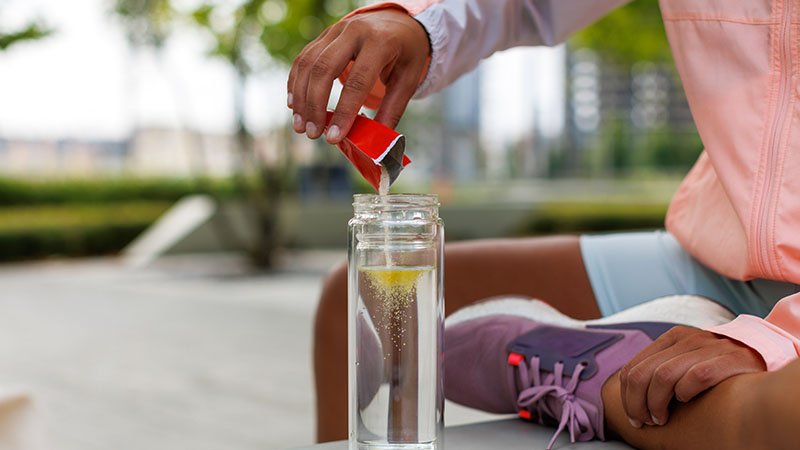
Water makes up roughly 60% of your body weight, and nearly every system in your body depends on it to function properly. Yet despite how essential hydration is, it’s one of the most overlooked aspects of health. Many people walk around mildly dehydrated without even realizing it, attributing their fatigue, headaches, or brain fog to other causes.
This article explores why hydration matters so much, the signs of dehydration to watch for, and practical strategies to make sure you’re drinking enough water every day.
Why Hydration Matters
Water plays a role in nearly every bodily function, including:
- Regulating body temperature through sweating and respiration
- Transporting nutrients and oxygen to cells throughout your body
- Removing waste products through urine, sweat, and bowel movements
- Lubricating joints and cushioning organs and tissues
- Supporting digestion by helping break down food and prevent constipation
- Maintaining healthy skin by supporting elasticity and reducing dryness
- Supporting cognitive function including concentration, memory, and mood regulation
- Maintaining blood volume and circulation, which affects heart function and overall energy levels
Even mild dehydration — as little as 1-2% loss of body water — can measurably impact physical and cognitive performance.
Signs You Might Be Dehydrated
Many people don’t recognize dehydration until it becomes noticeable, but there are several early signs to watch for:
- Thirst — though by the time you feel thirsty, you’re often already mildly dehydrated
- Dark yellow urine — well-hydrated urine is typically pale yellow or close to clear
- Fatigue — dehydration reduces blood volume, making your heart work harder and leaving you feeling tired
- Headaches — dehydration is a common, often overlooked headache trigger
- Dry mouth and skin — reduced moisture levels become noticeable in mucous membranes and skin
- Dizziness — particularly when standing up quickly, due to reduced blood volume
- Difficulty concentrating — even mild dehydration has been shown to impair attention and short-term memory
- Constipation — inadequate water intake can make stool harder and more difficult to pass
- Reduced urine output — significantly less frequent urination than usual
If you notice several of these symptoms regularly, it’s worth paying closer attention to your daily water intake.
How Much Water Do You Actually Need?
While the commonly cited “8 glasses a day” rule is a reasonable general guideline, individual needs vary based on factors like body size, activity level, climate, and overall health. General recommendations suggest:
- Women: approximately 2.7 liters (about 11 cups) of total fluids per day, including water from food and beverages
- Men: approximately 3.7 liters (about 15 cups) of total fluids per day
Keep in mind that roughly 20% of daily fluid intake typically comes from food, particularly water-rich fruits and vegetables, so your actual beverage intake target may be somewhat lower than these totals suggest.
Factors that increase your hydration needs include:
- Hot or humid weather
- High-altitude environments
- Intense physical activity or exercise
- Illness, particularly with fever, vomiting, or diarrhea
- Pregnancy and breastfeeding
- High caffeine or alcohol consumption, both of which have mild diuretic effects
Practical Tips to Stay Hydrated
1. Start Your Day With Water
After several hours of sleep without fluid intake, your body often wakes up mildly dehydrated. Drinking a glass of water first thing in the morning is a simple habit that helps replenish fluids and kickstart your metabolism.
2. Carry a Reusable Water Bottle
Having water readily available throughout the day makes it far easier to sip consistently rather than relying on remembering to seek out a drink. Choose a bottle size that helps you track your intake throughout the day.
3. Set Reminders
If you tend to forget to drink water during busy days, setting periodic reminders on your phone or using a hydration-tracking app can help build the habit until it becomes automatic.
4. Eat Water-Rich Foods
Many fruits and vegetables have high water content and contribute meaningfully to your daily hydration. Examples include cucumbers, watermelon, oranges, strawberries, lettuce, celery, and tomatoes.
5. Flavor Your Water Naturally
If you find plain water unappealing, try adding natural flavor with slices of lemon, cucumber, mint, or berries. This can make hydration more enjoyable without adding the sugar found in many flavored beverages.
6. Drink Water Before, During, and After Exercise
Physical activity increases fluid loss through sweat, so it’s important to hydrate before starting, take sips during longer sessions, and replenish fluids afterward. For intense or prolonged exercise, especially in hot conditions, electrolyte-containing drinks may also be beneficial.
7. Monitor Your Urine Color
A simple, practical way to gauge your hydration status is to check your urine color. Pale yellow generally indicates good hydration, while dark yellow or amber suggests you need to drink more fluids.
8. Be Mindful of Caffeine and Alcohol
Both caffeine and alcohol have mild diuretic effects, increasing fluid loss through urination. If you consume these regularly, make an extra effort to balance them with additional water intake.
9. Adjust for Activity and Climate
On hot days or during intense physical activity, increase your fluid intake beyond your typical baseline to account for additional fluid loss through sweat.
10. Eat a Balanced Diet Rich in Electrolytes
Hydration isn’t just about water — it’s also about maintaining proper electrolyte balance, including sodium, potassium, and magnesium. A balanced diet generally provides sufficient electrolytes for most people, though those engaging in intense or prolonged exercise may need additional replenishment.
Can You Drink Too Much Water?
While dehydration is far more common, it is possible to overhydrate, a condition known as hyponatremia, where excessive water intake dilutes sodium levels in the blood. This is relatively rare in typical daily life but can occur in endurance athletes who drink excessive amounts of water without adequate electrolyte replacement during prolonged exercise. For most people going about normal daily activities, this isn’t a significant concern, but it’s worth being aware of, particularly during intense physical exertion.
Hydration Myths Worth Clearing Up
Myth: You need exactly 8 glasses of water a day, no more, no less. This is a helpful general guideline, but actual needs vary significantly based on individual factors like body size, activity level, and climate.
Myth: Coffee and tea don’t count toward hydration. While caffeine has a mild diuretic effect, the overall fluid content in coffee and tea still contributes positively to your daily hydration total.
Myth: If you’re not thirsty, you’re properly hydrated. Thirst is actually a lagging indicator — by the time you feel thirsty, you’re often already mildly dehydrated.
Final Thoughts
Hydration is one of the simplest, most accessible ways to support your overall health, yet it’s often overlooked in favor of more complex wellness strategies. By paying attention to your body’s signals, building consistent hydration habits, and adjusting your intake based on activity and climate, you can support better energy levels, cognitive function, digestion, and overall physical performance. Sometimes the most powerful health interventions really are this simple.
Want more helpful health articles like this one? Get in touch with us for more blogs at whatsinmind.org — we regularly publish well-researched content on nutrition, wellness, and overall health to help you feel your best every day.
